


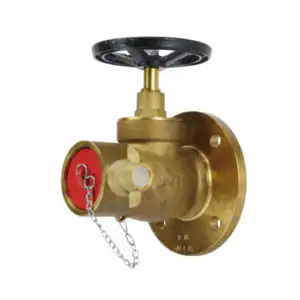
Fire Hydrant Valves
Add to Quote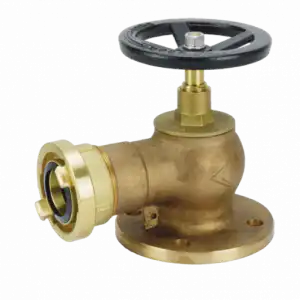
Fire Hydrant Valves
Add to Quote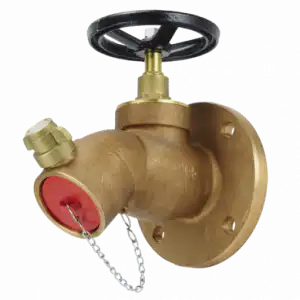
Fire Hydrant Valves
Add to Quote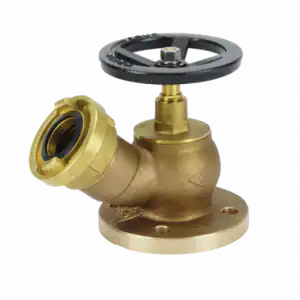
Fire Hydrant Valves
Add to Quote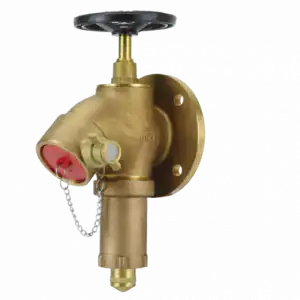
Fire Hydrant Valves
Add to Quote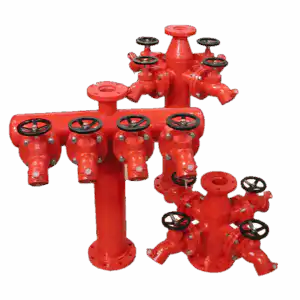
Fire Hydrant Valves
Add to Quote

What an incredible place! We visited Delta Fire to deliver CPR training for their staff and whilst we were there managed to have a tour of the facilities. Their products and production are absolutely fascinating, and their commitment to low environmental impact and quality of service is very refreshing to see. They are a leading example of innovation and conscious business practices, and we are very fortunate to have them here in Norfolk!
Rose Steward
4.6 /5
out of 12 Reviews
Delta Fire provide a great service. I often get enquiries from our customers and always need some help clarifying the specific types and sizes of fire safety equipment required. Delta are always there to help. I often deal with Ashley and he is always very helpful. Highly recommend.
Thomas Parker
4.6 /5
out of 12 Reviews
The 3 people I deal with most at Delta are Richard, Lisa and Ashley. They never let me down and are always ready to help and assist with any enquiries I have. Most importantly they understand that my business often has urgent inquiries that others dont and have always been very capable of competitive pricing and getting equipment to me in good time enabling me to meet very strict customer deadlines. Delta fire is highly recommended my me.
don Hawkins
4.6 /5
out of 12 Reviews
Ashley and the team, are always happy to help and advise. All the orders we place with them are always dealt with in an efficient and professional manner. I wouldn't hesitate in recommending them. Mike Shakespeare - Hoseshop Ltd
Mick Shakespeare
4.6 /5
out of 12 Reviews
Fantastic equipment and customer service. Would high recommend Delta Fire to any company looking for fire service equipment. After doing a lot of market research, I found and contacted Delta Fire to get more information about their equipment. Any questions I had where answered, they helped me look at my company's needs and pick which products where best suited. Extremely helpful. To add the very long warranty and that they are UK made is what separates the from the rest. Thank you guys for all your help. 10/10
thomas gallagher
4.6 /5
out of 12 Reviews
What an incredible place! We visited Delta Fire to deliver CPR training for their staff and whilst we were there managed to have a tour of the facilities. Their products and production are absolutely fascinating, and their commitment to low environmental impact and quality of service is very refreshing to see. They are a leading example of innovation and conscious business practices, and we are very fortunate to have them here in Norfolk!
Rose Steward
4.6 /5
out of 12 Reviews
What an incredible place! We visited Delta Fire to deliver CPR training for their staff and whilst we were there managed to have a tour of the facilities. Their products and production are absolutely fascinating, and their commitment to low environmental impact and quality of service is very refreshing to see. They are a leading example of innovation and conscious business practices, and we are very fortunate to have them here in Norfolk!
Rose Steward
out of 12 Reviews
Delta Fire provide a great service. I often get enquiries from our customers and always need some help clarifying the specific types and sizes of fire safety equipment required. Delta are always there to help. I often deal with Ashley and he is always very helpful. Highly recommend.
Thomas Parker
out of 12 Reviews
The 3 people I deal with most at Delta are Richard, Lisa and Ashley. They never let me down and are always ready to help and assist with any enquiries I have. Most importantly they understand that my business often has urgent inquiries that others dont and have always been very capable of competitive pricing and getting equipment to me in good time enabling me to meet very strict customer deadlines. Delta fire is highly recommended my me.
don Hawkins
out of 12 Reviews
Ashley and the team, are always happy to help and advise. All the orders we place with them are always dealt with in an efficient and professional manner. I wouldn't hesitate in recommending them. Mike Shakespeare - Hoseshop Ltd
Mick Shakespeare
out of 12 Reviews
Fantastic equipment and customer service. Would high recommend Delta Fire to any company looking for fire service equipment. After doing a lot of market research, I found and contacted Delta Fire to get more information about their equipment. Any questions I had where answered, they helped me look at my company's needs and pick which products where best suited. Extremely helpful. To add the very long warranty and that they are UK made is what separates the from the rest. Thank you guys for all your help. 10/10
thomas gallagher
out of 12 Reviews
What an incredible place! We visited Delta Fire to deliver CPR training for their staff and whilst we were there managed to have a tour of the facilities. Their products and production are absolutely fascinating, and their commitment to low environmental impact and quality of service is very refreshing to see. They are a leading example of innovation and conscious business practices, and we are very fortunate to have them here in Norfolk!
Rose Steward
out of 12 Reviews